Basic Information
| Field | Details |
|---|---|
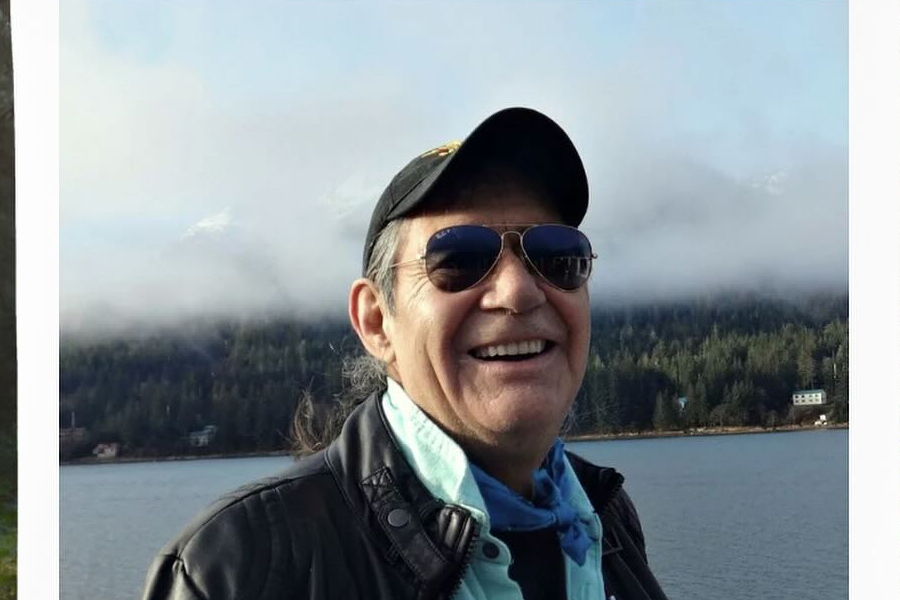
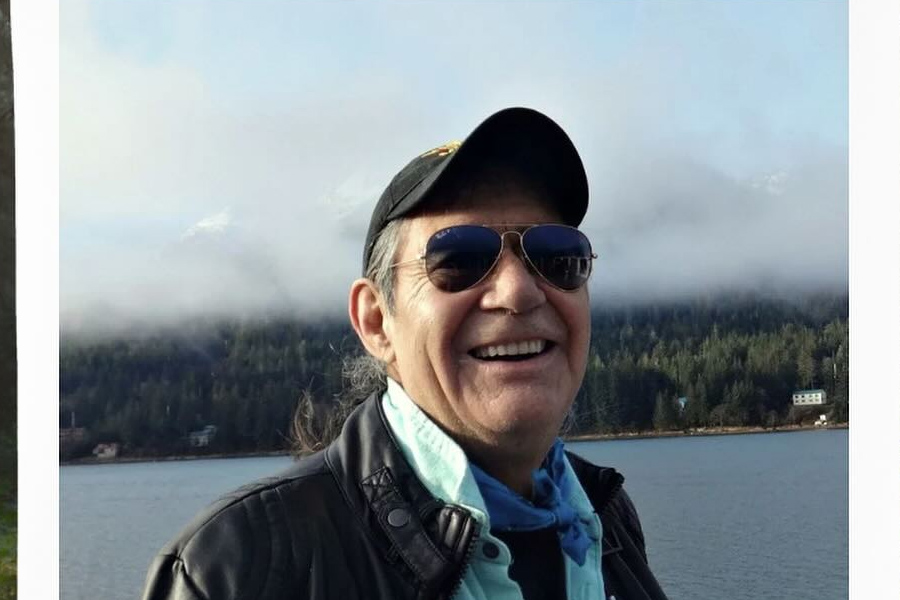
| Full name | Raymond Sensmeier |
| Tlingit name | Geeneenéikh |
| Birth | December 24, 1944 |
| Death | October 2025 |
| Heritage | Tlingit and German-American |
| Clan and House | Kwaashk’i Khwáan, Dís Hít (Moon House) |
| Hometown | Yakutat, Alaska |
| Military service | U.S. Army, Vietnam War, Sergeant E-5, two tours |
| Occupations | Tribal council member, culture bearer, environmental advocate |
| Key affiliations | Southeast Alaska Conservation Council board from 2009, Southeast Alaska Subsistence Regional Advisory Council 2013 to 2018 |
| Spouse | Eva Olin Sensmeier, Koyukon Athabascan physician |
| Children | At least one son, actor Martin Sensmeier; references suggest additional children not publicly named |
| Grandchildren | Two, via Martin Sensmeier and partner Kahara Hodges |
| Notable advocacy | Subsistence rights, habitat protection, Yakutat Forelands Outstanding National Resource Waters effort |
| Financial profile | Community roles with little to no compensation; tribal council filings show 0 salary with 1,200 to 1,800 in other annual compensation in 2013 to 2015 |
Roots and Identity: A Life Anchored in Yakutat
Raymond Sensmeier was born on December 24, 1944, in Yakutat, Alaska, amid rainforest and tidewater. He belonged to the Kwaashk’i Khwáan clan and Dís Hít, or Moon House, with Tlingit and German-American lineage. Geeneenéikh, his Tlingit name, placed him in Yakutat’s complex familial and place links, which guided him throughout his life.
Raymond attended boarding school for years like many Alaska Native children. The event crossed cultures, yet he returned to Yakutat determined to repair what was broken. He followed elder teachings, oral history, and respect laws for salmon, seal, cedar, and their dependents. He was noted for carrying story and tradition like coals to keep the flame alive for the next burn.
Family Circle: The Sensmeiers of Yakutat
Raymond married Eva Olin in 1977. Eva, a Koyukon Athabascan from Ruby, trained in medicine and became a family physician in Yakutat, serving as a steady presence in the community’s health center for many years. Together they raised a family shaped by Native identity and service.
Their son, actor Martin Sensmeier, was born in Anchorage on June 27, 1985, and reared in Yakutat. Martin’s film and TV career stemmed from his parents’ daily beliefs. He thanks them with inspiring him to chase huge aspirations while carrying his ethnic origins. Martin and vocalist Kahara Hodges have two children, born in 2020 and 2022, who continue the family legacy.
In tributes and community posts, Raymond’s extended family cooks fry bread before large events, gathers by the dozens at film premieres, and speaks of his example. That circle includes Valerie J. Olin and Dee Olin, reminding us that Raymond lived in a network that supported and remembers him.
Service, Subsistence, and Stewardship
Raymond returned to Yakutat permanently after two tours as Sergeant E-5 in the Vietnam War. He served at home after the battlefield. He represented the Yakutat Tlingit Tribe on the Southeast Alaska Conservation Council’s board since 2009, contributing to regional discussions about forests, rivers, and coastlines.
In 2013, he joined the Southeast Alaska Subsistence Regional Advisory Council until 2018. He reported on Yakutat’s weak salmon runs, stronger berry crops in some years, altering seal and halibut movement patterns, and the pressure of having to travel farther for staple foods that had characterized lifeways for millennia. He talked clearly and groundedly from a lifetime on boat decks, smokehouses, and frigid streams. Raymond never considered subsistence abstractly. Dinner, ceremony, inheritance, legal.
Environmental Observations and Policy Pathways
Raymond’s policy advocacy combined observation and tenacity. He said cruise ships are driving seals from Disenchantment Bay to Icy Bay. He defended the Yakutat Forelands as a global shorebird habitat and advocated for Outstanding National Resource Waters safeguards. He saw how climate indicators and habitat change affected families who needed salmon in the freezer and seal oil on the market.
Controversy was present. Raymond and community members were sued in 2022 for protesting tribal land clear-cutting. Supporters called it payback for opposing deforestation. The legal battle solidified his position as an elder who defended the land and the freedom to discuss its usage. It confirmed what he always said: stewardship takes bravery and patience.
Roles, Compensation, and the Shape of a Modest Life
Raymond prioritized public service over profit. He received 1,200 to 1,800 in reimbursements and no remuneration for council participation, according to tribal organization records from 2013 to 2015. His conservation and subsistence council work was mostly unpaid. Eva’s community clinic pay was undoubtedly the family’s financial anchor.
The picture that emerges is not of affluence, but of a life centered on responsibility. He focused his efforts on government, conservation, and cultural education. The benefits were quantified in berry harvests, bird migrations, and the success of future generations. It is a quiet arithmetic, but one that is common in tiny towns: enough to live and serve.
Selected Roles and Compensation
| Role | Organization | Years | Compensation Snapshot |
|---|---|---|---|
| Tribal council member | Yakutat Tlingit Tribe | 2013 to 2015 | 0 salary, 1,200 to 1,800 other annually |
| Board member | Southeast Alaska Conservation Council | From 2009 | Board service, typical of nonprofit governance |
| Subsistence council member | Southeast Alaska Subsistence Regional Advisory Council | 2013 to 2018 | Federal advisory position, publicly engaged role |
Timeline: Milestones in Service and Family
| Year | Event |
|---|---|
| 1944 | Born on December 24 |
| 1950s to 1960s | Attended boarding school away from Yakutat |
| 1960s to 1970s | Served in the U.S. Army in Vietnam, completed two tours, Sergeant E-5 |
| 1977 | Married Eva Olin and settled into family life in Yakutat |
| 1985 | Son Martin born on June 27 |
| 2009 | Joined the Southeast Alaska Conservation Council board |
| 2013 | Appointed to the Southeast Alaska Subsistence Regional Advisory Council, term through 2018 |
| 2016 | Family gathering of roughly 30 relatives at a major film premiere |
| 2017 | Reported to regional council on salmon declines and other subsistence indicators |
| 2020 | First grandchild born to Martin and Kahara |
| 2022 | Named in a lawsuit after criticizing clear-cutting on tribal lands |
| 2022 | Second grandchild born |
| 2025 | Passed away in October, mourned by community and regional allies |
Legacy Through Community and Kin
We see Raymond’s life as a braid. Culture is carried in names, tales, and rituals his elders taught him that he passed on. One strand is military service, tribal governance, and regional conservation. The third is family, the daily rhythm of a home where a doctor and advocate worked toward common goals, a son learned to go into big rooms with his head high, and grandchildren grew in a circle of language, song, and land.
He listened in public meetings and wild coasts to what the place and people needed. After his October 2025 death, tributes emphasized humility and tenacity. Friends, colleagues, and family spoke about decades of work that resulted in a better-defended shoreline, a better-tended culture, and a better-prepared society.
FAQ
Who was Raymond Sensmeier?
He was a Tlingit elder from Yakutat, a Vietnam veteran, and a long-serving advocate for subsistence rights and environmental protection.
What was his Tlingit clan and house affiliation?
He belonged to the Kwaashk’i Khwáan clan and Dís Hít, or Moon House.
Did he serve in the military?
Yes, he served two tours in Vietnam and reached the rank of Sergeant E-5 in the U.S. Army.
Who are his immediate family members?
He was married to physician Eva Olin Sensmeier and was the father of actor Martin Sensmeier, with two grandchildren through Martin and partner Kahara Hodges.
What causes did he champion?
He focused on protecting subsistence resources, opposing deforestation, and supporting high-level water and habitat protections for places like the Yakutat Forelands.
Did he receive significant income from his public roles?
No, records indicate minimal or no salary for his tribal council service and modest compensation related to nonprofit governance.
When did he pass away?
He passed away in October 2025, prompting community tributes that honored more than 30 years of advocacy.